Places now 2 places in Nest · January; 3 places in Meadow · September; 1 place in Orchard · September
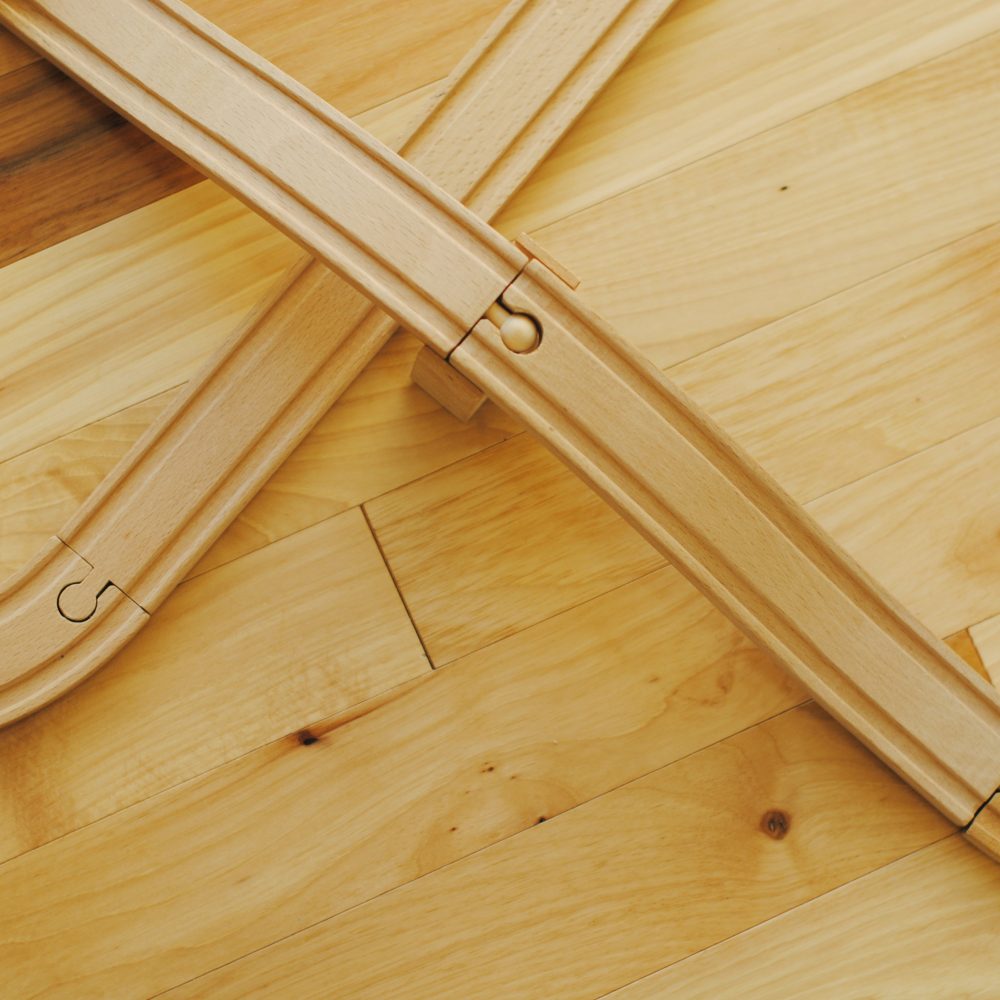
Tap an upturned arch to rock it
Settle in
The first half hour sets the day. We never rush it.
One key person
Every child has one adult who knows them best: who settles them in, notices the small changes, and is the person you talk to at the door.
Play is the work
We plan around what the children are already curious about. Worksheets stay out of the rooms; clay, water, blocks and books stay in.
Outside, every day
Waterproofs hang by every door. Rain is a reason to go and look at puddles, not a reason to stay in.
We never publish children's faces — not on this website, not on social media. The photographs here show hands, backs and the rooms themselves, with every family's permission.
Rooms
Four rooms, one for each age. Smallest in the middle.
Nest 6 months to 18 months
Trust, the senses, and first words — at the baby’s own pace.
The garden is the biggest room we have. Every child is out in it at least twice a day, and the oldest spend Thursday mornings in the woods.
1 / 5
The vegetable beds
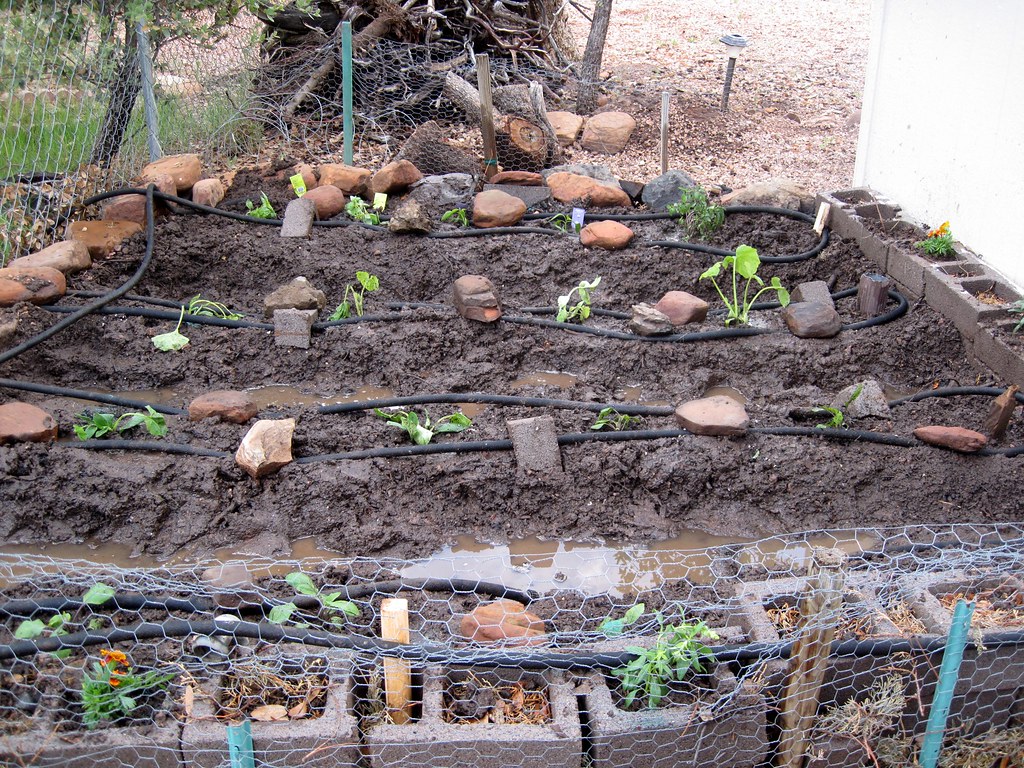
Each room has a bed of its own. The children choose, sow, water and — eventually — eat it.
2 / 5
Puddle suits on
We go out in rain and in cold. The rule is simple: if it is safe, we are outside.
3 / 5
Woodland mornings
Every Thursday the older rooms walk to the copse with flasks, ropes and a tarp.
4 / 5
Sand and water
The sand kitchen by the fence is where most of the maths gets done.
5 / 5
Collections
Leaves, cones, shells and stones come back in pockets and end up sorted on the nature table.
Lunch
Cooked here, this morning, by someone who knows every child’s name.
Cooked on site each morning by Maya, our cook. Every allergy and diet is planned for by name, not by table.
This week’s menu
Monday
Breakfast
Porridge with stewed pear
Lunch
Chickpea and sweet potato curry, brown rice
Tea
Wholemeal crumpets, cucumber sticks
Containsmilkgluten
Tuesday
Breakfast
Wholegrain cereal, banana
Lunch
Fish pie with leeks and peas
Tea
Rice cakes, hummus, peppers
Containsfishmilksesame
Wednesday
Breakfast
Toast soldiers, boiled egg
Lunch
Lentil and vegetable bolognese, wholewheat spaghetti
Tea
Yoghurt with berries
Containseggglutenmilk
Thursday
Breakfast
Overnight oats with apple
Lunch
Roast chicken, potatoes, carrots and broccoli
Tea
Cheese scones, halved grapes
Containsglutenmilk
Friday
Breakfast
Pancakes with blueberries
Lunch
Bean chilli with jacket potato
Tea
Fruit platter from the garden
Containsglutenmilkegg
Rest
Rest, and the quiet work of keeping them safe.
After lunch the blinds come down. The youngest sleep in their own cots; the older ones rest on mats with a story. Someone is always sitting with them.
Sleep checks every ten minutes
Each check is logged with the time and the name of the adult who made it.
Every adult is first-aid trained
All staff hold a current paediatric first aid certificate, renewed every three years.
Collection by face, not by code
Only named adults collect; a password is agreed for anyone new.
Two designated safeguarding leads
Trained to level 3, and one of them is on site from opening to close.
Ratios above the legal minimum
At the busiest times of day every room has one adult more than the rules require.
The team
The people your child will talk about at dinner.
All 8 of us are qualified in early years and hold a current paediatric first aid certificate. Most of us have been here for years, which matters more than anything else on this page.
We toured six nurseries. Wren House was the only one where the children didn't look up when we walked in — they were too busy.
Priya · Mum to Anya, Burrow room
The daily notes are the best part of my afternoon. I know what he ate, how long he slept and which song he wouldn't stop singing.
Tom · Dad to Joe, Nest room
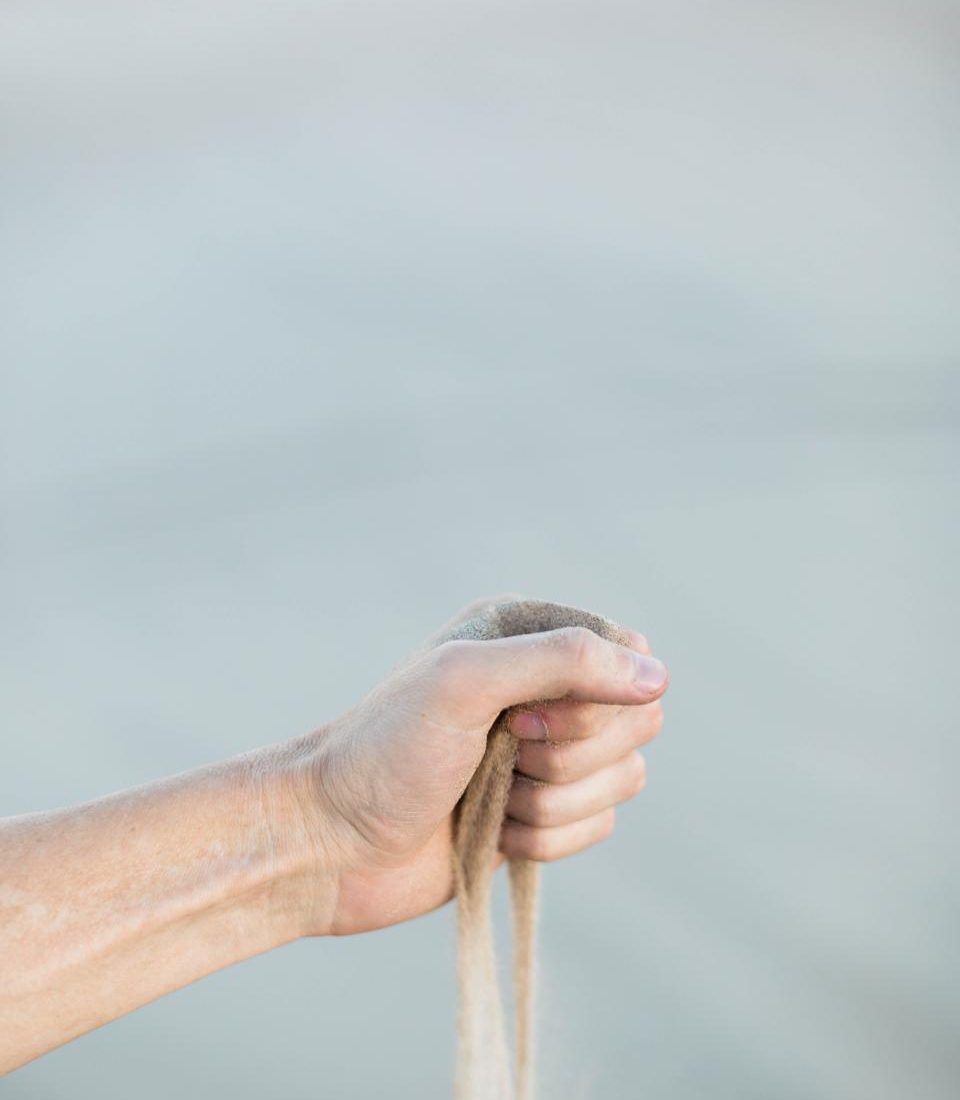
Our daughter started at eleven months and cried for a week. On day eight her key person sent us a photo of her hands in the sand tray. We still have it.
Hannah & Leo · Parents to Isla, Meadow room
What you will hear from us
Every day A written note in the parent app: meals, sleep, nappies, and one thing your child did that made us smile.
Every half term A longer learning update from your key person, with what they plan next and why.
Whenever you like Five minutes at the door, morning and evening. We make time for it.
Fees include all meals, nappies, wipes, sun cream and outings. They are charged monthly in advance, spread evenly over twelve months. All prices and how funding works
Visit us
Come and see an ordinary morning.
Visits last about forty minutes, happen while the rooms are busy, and are for you and your child together. Pick a time and we will confirm by phone.